Mount Vernon is the county seat of Skagit County and home to approximately 35,000 to 36,000 people, depending on the population estimate used. It is more than a commuter town for Seattle. Mount Vernon has its own employment centers, historic downtown, healthcare facilities, shopping, and community amenities.
If you want to know what it's really like to live in Mount Vernon, the short answer is this: a practical Northwest city with access to farmland, rivers, mountains, and everyday services. Housing affordability depends on the property and your budget, but Mount Vernon offers a different lifestyle from larger cities farther south.
What It's Really Like to Live in Mount Vernon Day to Day
Downtown Mount Vernon sits along the Skagit River, where Riverwalk Park provides a waterfront walking area, public gathering spaces, and access to local events. The Mount Vernon Farmers Market operates seasonally at Riverwalk Park, typically from May through October. The 2026 market season ran from May 16 through October 10.
The annual Skagit Valley Tulip Festival brings visitors to the surrounding valley each spring, particularly during April. While the tulip fields are outside downtown Mount Vernon, festival traffic can affect travel throughout the area during peak viewing periods.
For everyday shopping, Mount Vernon has established grocery stores, including Haggen, along with other supermarkets, retailers, and specialty businesses. Residents also have access to healthcare through Skagit Valley Hospital, operated by Skagit Regional Health. The hospital provides emergency and other medical services and is designated as a Level III trauma center.
Mount Vernon also serves as a regional employment and service center. Skagit Valley College, county government offices, healthcare providers, and local businesses contribute to its economy.
Travel times vary depending on traffic, weather, and the specific destination. Anacortes is accessible to the west via State Route 20, while Bellingham is north along Interstate 5. Everett and Seattle are farther south, and congestion can make those commutes significantly longer during busy periods.
For residents who work remotely or have flexible schedules, Mount Vernon's location may provide access to larger employment centers without requiring daily travel. However, anyone considering a regular commute should test the route during their actual work hours before choosing a home.
Neighborhoods, Housing Costs, and Schools
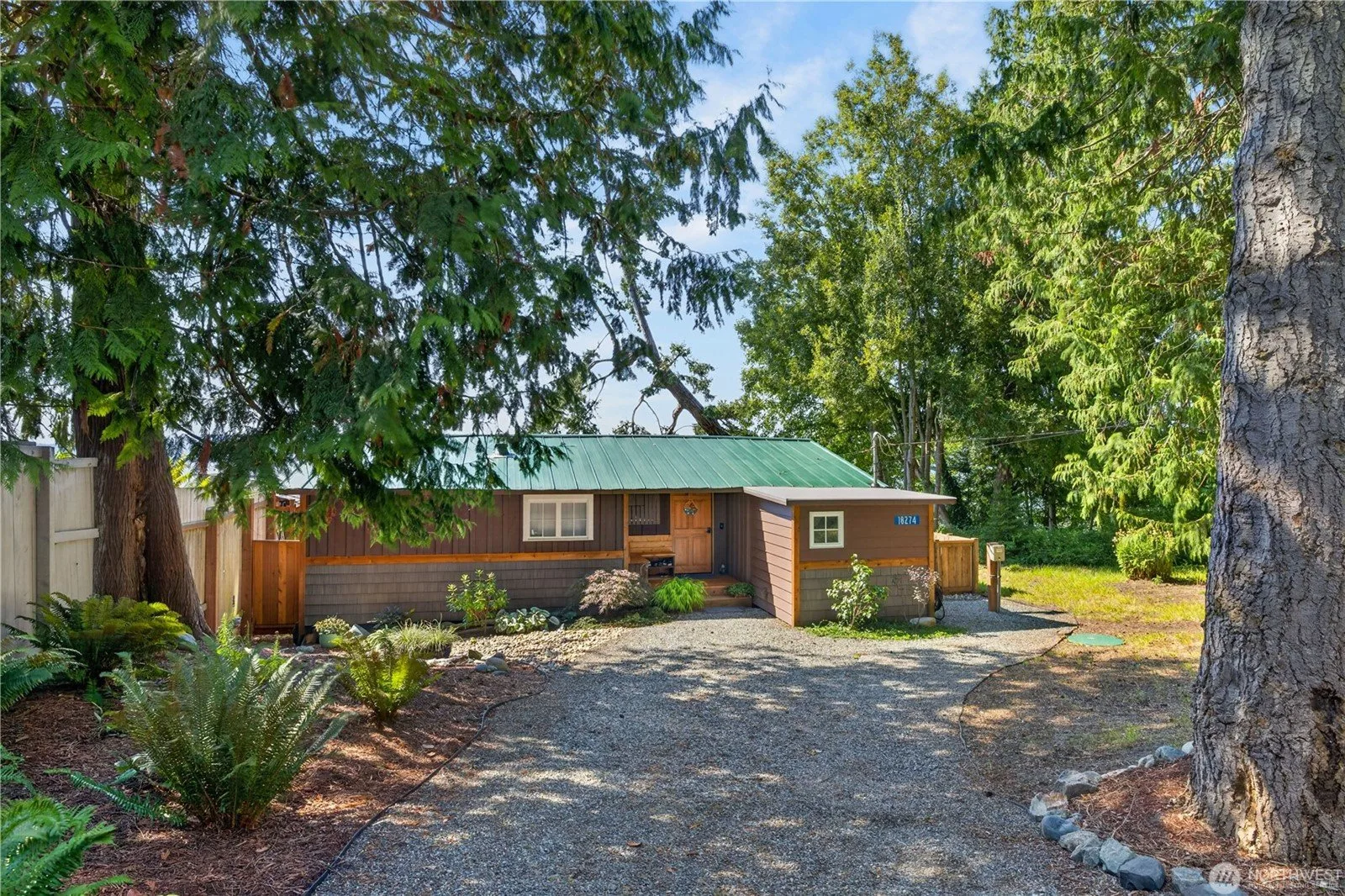
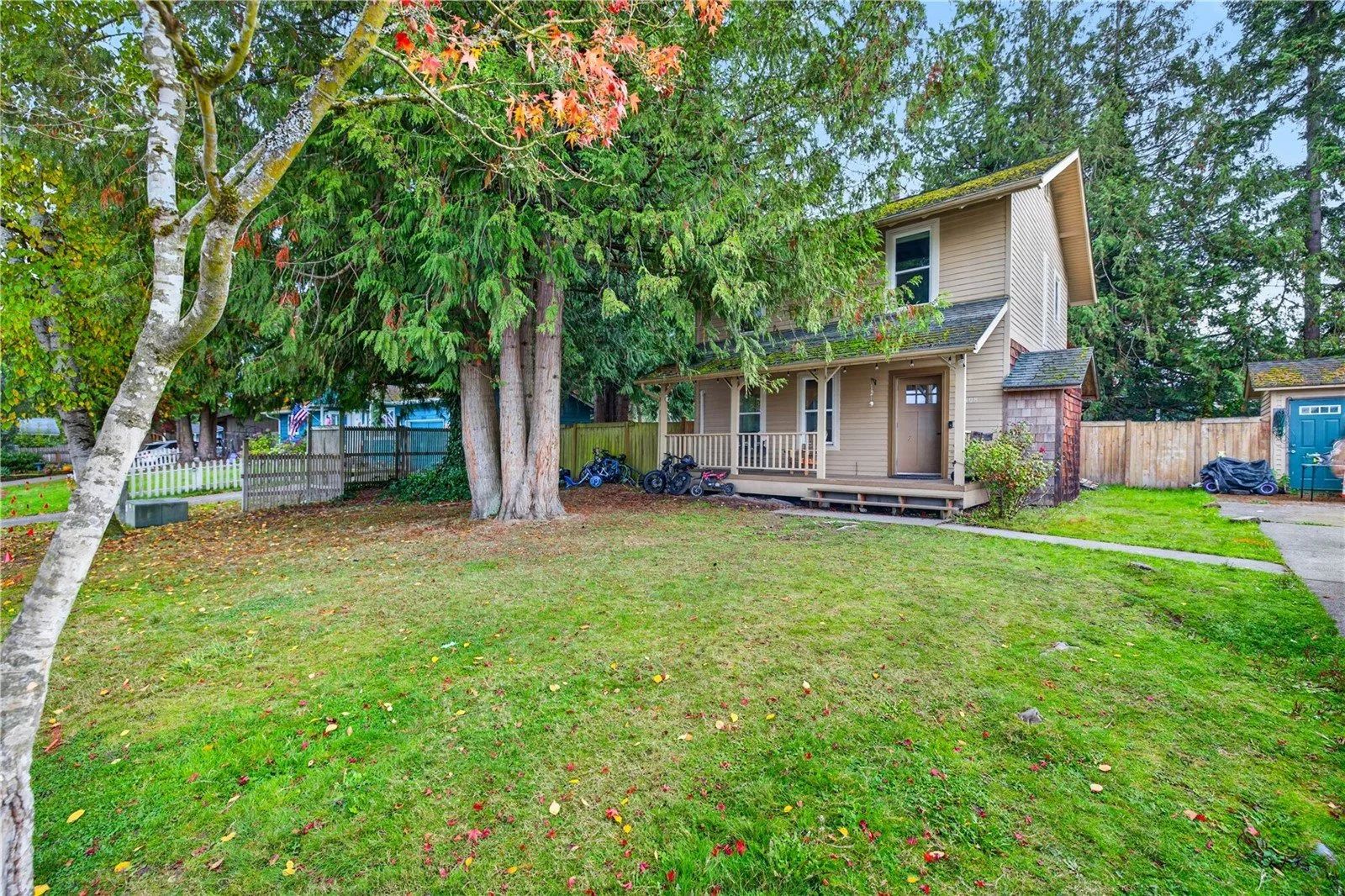
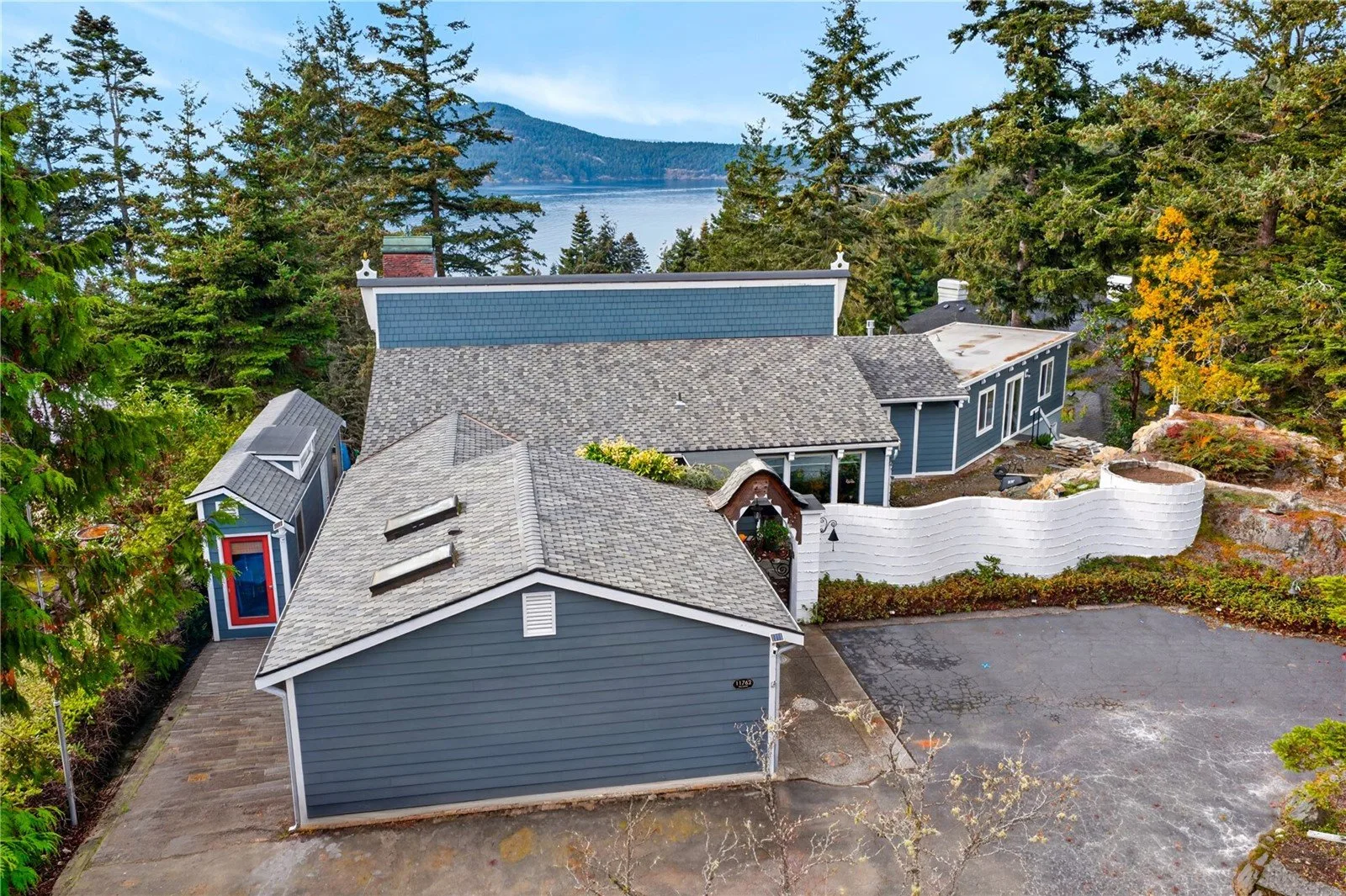
Mount Vernon offers a mix of housing styles and neighborhood settings. Older homes can be found near downtown and in established residential areas, while other parts of the city feature mid-century houses, townhomes, and newer construction.
Home prices vary by neighborhood, property type, condition, and market conditions. According to Zillow, the typical home value in Mount Vernon was approximately $577,000 as of October 31, 2026. This figure represents an estimated home value, not the median sale price. Buyers should review current Mount Vernon listings and recent comparable sales when evaluating affordability.
You can explore available properties and neighborhood information on the Mount Vernon community page.
Families researching schools should verify attendance boundaries through the Mount Vernon School District. Individual school ratings can change over time, and third-party scores may not capture every aspect of a school's programs, student support, or educational environment.
Resources such as GreatSchools.org can provide additional information, but buyers should also review official district data and contact schools directly when appropriate.
If you own a home in Mount Vernon and are curious what it's worth in the current market, Find out what your home is worth →
What This Means For You
• Mount Vernon offers a range of housing options, from older homes near downtown to properties in newer residential areas. Compare current prices rather than assuming every home is less expensive than those in nearby cities.
• The city has its own healthcare facilities, schools, shopping, government services, and employment centers, reducing the need to travel elsewhere for many everyday activities.
• Mount Vernon's Skagit County location provides access to Anacortes, the North Cascades, and other Northwest Washington destinations. Commuting to larger cities is possible, but actual travel times should be evaluated carefully.
• Buyers comparing Mount Vernon with Burlington or other Skagit County communities should consider neighborhood-specific walkability, housing costs, flood risk, and access to services rather than assuming one city is always more convenient or affordable.
Mount Vernon may appeal to buyers who want a city with established services, a historic downtown, and access to the surrounding Skagit Valley landscape. The right fit depends on your budget, work arrangements, preferred neighborhood, and daily priorities.
Tell us your budget, timeline, and priorities, and we will help you build a Mount Vernon neighborhood shortlist.
Frequently Asked Questions
Is Mount Vernon a good place to live if I work in Seattle?
Mount Vernon is approximately 60 miles north of downtown Seattle via Interstate 5. The drive can take around an hour under favorable conditions, but rush-hour congestion and other delays can make it considerably longer.
For someone who works remotely or commutes occasionally, the distance may be manageable. A daily commute requires more careful consideration. Test the drive during your expected travel hours before deciding whether the location fits your schedule.
How does Mount Vernon compare to Anacortes or Bellingham for cost of living?
Mount Vernon, Anacortes, and Bellingham offer different housing markets and lifestyles. Anacortes has coastal and island-access amenities, while Bellingham is a larger city with Western Washington University and a broader range of urban services.
Mount Vernon serves as a regional center for Skagit County and offers its own mix of housing, employment, shopping, and recreation.
Housing prices and overall living expenses vary by property and household. Buyers should compare current listings, property taxes, insurance, utilities, and commuting expenses rather than assuming one city is consistently the least expensive.
What should I know about the housing market in Mount Vernon before buying?
Market conditions can change throughout the year, and the number of available homes, pricing, and competition vary by neighborhood and property type.
Review current listings, recent comparable sales, and regional data from sources such as the Washington Center for Real Estate Research. Mortgage pre-approval and a clear budget can help you prepare before making an offer.
Flood risk is another important consideration for properties near the Skagit River and other low-lying areas. Check the property's location through FEMA's Flood Map Service Center and obtain a property-specific insurance quote when appropriate. Not every Mount Vernon property has the same flood exposure or insurance requirements.
 Written byKelli LangTeam Owner & Managing BrokerMeet Kelli